X2y2 is a closed NFT marketplace whose smart contracts still run after the 2025 sunset
Decentralized NFT marketplace that shut down its platform on April 30, 2025, while leaving smart contracts available for direct use.
X2y2 is best understood today as the former Ethereum NFT marketplace that shut down its web platform on April 30, 2025, while leaving its smart contracts available for direct on-chain interaction. It launched in beta on February 6, 2022, grew into a major OpenSea rival during the NFT trading boom, and then ended its marketplace chapter as the team shifted attention toward AI-powered, permissionless crypto yield.
The April 2025 shutdown changed the product, not the chain history
The important distinction is between the front-end marketplace and the contracts behind it. The public trading interface was scheduled for a complete shutdown one month after the March 31, 2025 sunset announcement. That ended the familiar marketplace experience: browsing collections, listing NFTs, accepting offers, and managing activity through the hosted site.
The on-chain record did not disappear. Trades, approvals, orders that had already settled, token transfers, and contract interactions remain part of Ethereum history. Users with a specific need to inspect or interact with contracts still do that through wallets, block explorers, or other contract tools. That is a different experience from using a marketplace interface, so it suits advanced users rather than casual collectors.
How the marketplace reached its peak during the NFT boom
X2y2 entered the market when NFT liquidity was still large enough to support aggressive competition. Its beta launch arrived after the 2021 surge in collections, profile-picture projects, and marketplace fees had turned NFT trading into one of the most visible parts of crypto. The project positioned itself as a decentralized marketplace and grew quickly because traders wanted lower-friction listing, collection discovery, and liquidity outside the dominant OpenSea venue.
At its strongest point, the marketplace was described by its own team as the second-largest NFT marketplace behind OpenSea and as having reached $5.6 billion in all-time trading volume. Those figures matter because they show that the shutdown was not the end of a small experiment. It was the closing of a marketplace that had real share during a specific market cycle and then lost momentum as the category contracted.
Why shrinking NFT volume forced a hard decision
The team tied the sunset to the broad decline in NFT marketplace activity, including a stated 90 percent shrinkage in trading volume from the 2021 peak. Marketplaces depend on network effects: sellers list where buyers search, buyers search where inventory is strongest, and professional traders route attention toward venues with the tightest liquidity. When activity thins, that loop weakens quickly.
Notably, X2y2 faced that pressure after three years of competing for the top position. Lower volume affects more than headline rankings. It reduces fee opportunity, makes incentives harder to justify, and leaves fewer reasons for traders to split attention across multiple marketplaces. The sunset announcement framed the closure as a full stop for the NFT marketplace, rather than a temporary pause or quiet maintenance mode.

What remains available through smart contracts
Because the marketplace used blockchain contracts, the contract layer continues to exist independently from the retired website. A collector who previously approved assets or completed trades still has the same wallet history. A developer or power user can inspect contract calls, addresses, events, and token flows with Ethereum tooling.
That does not mean the old consumer experience survived unchanged. Without the hosted marketplace, ordinary tasks require more technical confidence. Users should understand exactly which contract function they are calling before signing a transaction, because a wallet prompt for a contract interaction is less readable than a marketplace checkout screen.
- Past NFT transfers remain visible in wallet and block explorer history.
- Existing smart contracts continue to be addressable on-chain.
- The former web marketplace no longer provides the normal trading workflow.
- Wallet approvals should be reviewed if a user no longer needs them.
- Collection discovery and offer management move to other NFT venues.
The X2Y2 token after the NFT vision closed
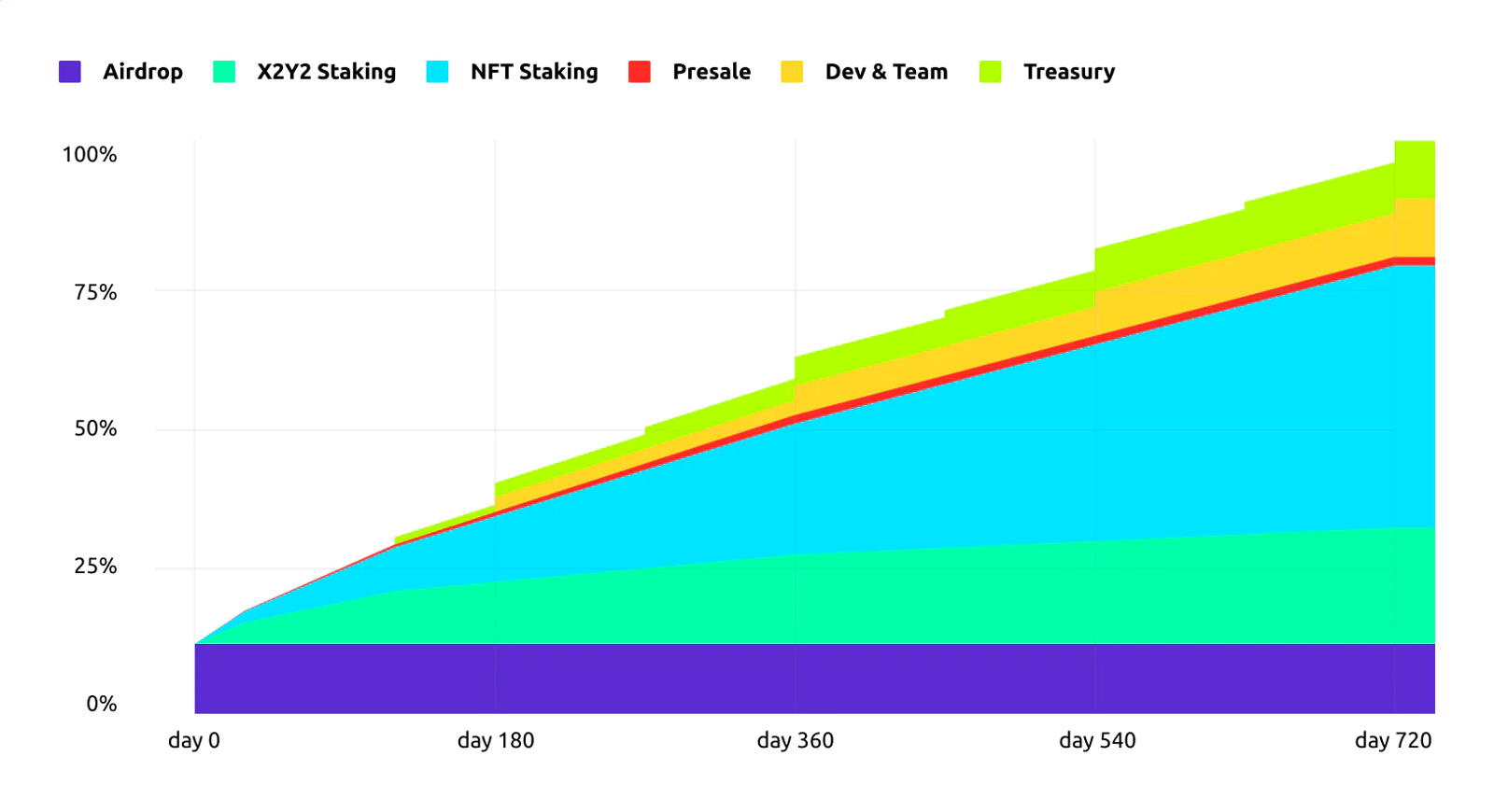
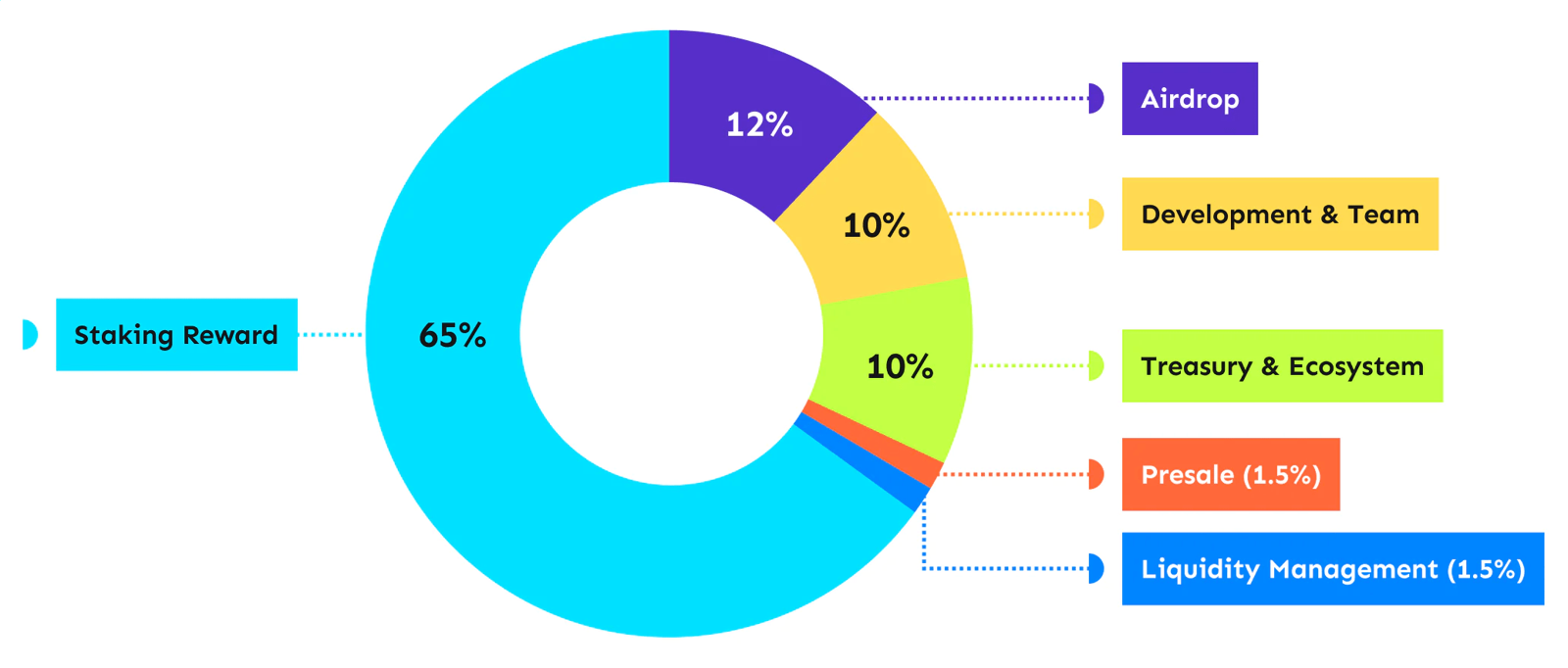
The X2Y2 token was connected to the marketplace story, so the shutdown directly changed the way many holders understood its role. The official sunset message was blunt that closing the NFT chapter was likely to affect token price because the token had been tied to that vision. That statement matters more than promotional language because it acknowledges the economic link between marketplace relevance and token demand.
After the platform closure, evaluating the token means separating old marketplace expectations from any new plan the team introduces. A token connected to a retired product carries different assumptions than one powering an active venue with daily marketplace usage. Holders, traders, and analysts therefore look at liquidity, governance claims, future utility, and the credibility of the AI yield pivot as separate questions.
The AI yield pivot the team described
The announced next chapter moved away from NFT trading and toward AI in crypto. The founder described a direction centered on permissionless yields powered by AI, with the goal of building something that holds value across market cycles. That is a broad product thesis rather than a fully specified public mechanism, but the emphasis is clear: automated intelligence, decentralized access, and yield generation rather than collection trading.
This pivot places the project near a different set of crypto conversations. Instead of competing with OpenSea, Blur, Magic Eden, or other NFT venues, the new direction points toward DeFi yield, risk selection, strategy automation, vault design, and AI-assisted allocation. The credibility of that shift will depend on concrete product releases, audited contracts, transparent risk controls, and whether users see a reason to trust an AI-guided yield system with capital.
Using the old marketplace record for research
Past marketplace data still gives useful context. Volume, user activity, contract events, and collection-level trading history help explain how the venue mattered during the NFT cycle. Researchers use that record to understand liquidity migration, marketplace fee competition, royalty debates, incentive campaigns, and the shift from broad retail NFT trading toward more concentrated professional activity.
Typically, X2y2 also illustrates how quickly crypto network effects change. A venue that once ranked near the top of the NFT market still shut down when the underlying category cooled. That makes it a useful case study for marketplace durability: strong early traction matters, but durable liquidity, differentiated tooling, and a market large enough to sustain several venues matter even more.
Where NFT traders went after the sunset
Once the web marketplace closed, active NFT traders needed other places to browse, list, bid, and analyze collections. OpenSea remained the most widely recognized general NFT marketplace. Blur served more active traders with bidding, sweeping, and professional-market features. Magic Eden had strong recognition across Solana and expanded multi-chain NFT trading. Collection-specific marketplaces and aggregator tools also absorbed users who wanted routing across venues.
Choosing among those alternatives depends on the chain, collection, fee structure, liquidity depth, and wallet support. A trader dealing with Ethereum blue-chip collections thinks differently from someone browsing low-cost Solana mints or gaming assets. The former X2y2 audience therefore did not move as one group; different users followed the liquidity, tooling, and collections that matched their habits.
What the sunset says about crypto marketplaces
The closure underlines a simple reality about on-chain businesses: contracts can outlive the products that made them usable. A decentralized marketplace still needs active interface work, user trust, collection supply, search quality, support channels, and competitive liquidity. Smart contracts preserve execution history, but they do not automatically preserve a living market.
In most cases, X2y2 remains notable because it combined both sides of that lesson. It reached meaningful scale during the NFT expansion, then made a dated, explicit shutdown decision when the market no longer supported the same ambition. Its next identity depends on whether the AI yield effort becomes a working product with clear utility rather than a narrative attached to a well-known name from the NFT cycle.
Key questions about X2y2
What happened to listings that were active before the shutdown?
Listings depended on the old marketplace interface for normal discovery and management, so the April 30, 2025 platform closure ended the practical trading flow around them. The underlying smart contracts still exist, but users should treat old approvals, listings, and permissions as on-chain state that needs wallet or contract-level review rather than relying on the retired marketplace screen.
Can I still trade NFTs through the old platform interface?
No. The hosted marketplace platform was shut down on April 30, 2025, so the normal browse, list, bid, and purchase experience is no longer available there. NFT trading now requires another active marketplace or direct contract-level tooling. Most users will find an active marketplace safer and easier than manually interacting with old contracts.
Does the shutdown erase my NFT purchase history?
No. NFT purchases and transfers that settled on-chain remain part of Ethereum history. Your wallet history, token ownership, and transaction records are recorded by the blockchain rather than by the retired marketplace website. What changed is access to the old product interface, not the existence of previously settled transactions.
Which wallets work for checking old marketplace activity?
Ethereum-compatible wallets are the relevant wallet type because the marketplace activity was tied to Ethereum smart contracts. A wallet such as MetaMask or another Ethereum wallet lets a user view owned NFTs, inspect approvals through supporting tools, and connect to block explorers. The important requirement is control of the same address used for the original activity.
Is the AI yield pivot already the same product as the NFT marketplace?
No. The AI yield direction is a new chapter described by the team after the marketplace sunset. It should be evaluated separately from the retired NFT venue. The old marketplace record shows execution history in NFTs, while the new thesis needs its own product details, contracts, risk model, and user demand before it becomes comparable.
Why did the X2Y2 token matter to marketplace users?
The token was tied to the marketplace vision, so its perceived value was connected to the platform's activity, incentives, and future relevance. When the NFT marketplace closed, that connection changed. The team explicitly acknowledged that the shutdown could hit token price, which made the token's future depend more heavily on any new utility created after the pivot.