X2y2 fees is the remaining cost picture after the NFT marketplace shut down
Cost structure for a sunset NFT marketplace, covering Ethereum gas, marketplace charges, and X2Y2 token costs after its April 2025 shutdown.
X2y2 fees is the combined cost of using a sunset Ethereum NFT marketplace: any marketplace charge that applied before shutdown, the Ethereum gas paid to execute transactions, and the market cost of the X2Y2 token after the marketplace closed on April 30, 2025. The public trading interface ended, while the underlying smart contracts remained onchain for direct interaction.
The cost story changed when the marketplace closed
Typically, X2Y2 launched its beta on February 6, 2022 and grew into one of the largest NFT marketplaces of the NFT boom. It reported $5.6 billion in all-time trading volume and competed directly with OpenSea during a period when creator royalties, marketplace incentives, token rewards, and bulk trading tools shaped user behavior.
That history matters because X2y2 fees no longer described a live marketplace pricing menu after April 30, 2025. A buyer arriving after the shutdown was not comparing a normal checkout page against OpenSea or Blur. The relevant question became what costs still attached to old listings, token exposure, historical trades, and direct contract calls on Ethereum.
Where Ethereum gas still entered the bill
Every onchain action tied to X2Y2 used Ethereum blockspace. Buying an NFT, accepting an offer, approving a collection contract, canceling an order, claiming rewards when available, or moving tokens required gas. Gas was paid in ETH to validators, not to X2Y2, and the final amount rose when Ethereum demand increased.
After the marketplace interface closed, gas stayed relevant for users who interacted with the smart contracts directly through wallets, block explorers, or other technical tooling. The smart contracts did not disappear when the website stopped serving marketplace activity. They stayed deployed, and Ethereum still charged for any state-changing transaction that touched them.
Marketplace charges before the shutdown
Before sunset, X2Y2 operated as a trading venue for Ethereum NFTs. A completed sale involved the NFT price, gas, and any marketplace-level charge or royalty setting attached to that trade path. The exact effective cost changed with order type, wallet flow, collection rules, token approvals, and network conditions at execution time.
The important distinction is that marketplace charges and gas came from different places. X2y2 fees described the trading-cost stack users saw around the marketplace, while Ethereum gas measured the cost of getting a transaction included onchain. A cheap marketplace fee did not make a congested Ethereum transaction cheap, and low gas did not remove platform-level economics from a filled order.

Why the X2Y2 token became part of the fee conversation
The X2Y2 token was tied to the marketplace vision. When the team announced the full shutdown of the NFT marketplace, it also acknowledged that token price would likely be hit by the closure. That made token cost part of the practical fee discussion, especially for users who earned, held, staked, or bought the token because of marketplace activity.
Unlike gas, token price was a market exposure rather than a transaction fee. A user paid gas to write to Ethereum; a token holder faced price movement in the X2Y2 asset. X2y2 fees therefore covered two different kinds of cost: explicit transaction spending and the economic impact of holding a token whose main NFT marketplace use case ended.
Reading an old X2Y2 trade without mixing the numbers
An old transaction record separates the parts better than a checkout memory. The NFT sale price showed what the buyer paid for the asset. The gas line showed what the wallet paid in ETH for execution. Token transfers and contract logs showed whether rewards, payments, royalties, or other settlement events were involved.
When reviewing historical X2y2 fees, start with the transaction hash and identify the paid asset, the NFT contract, the marketplace contract, and the gas used. This keeps the analysis grounded in onchain records instead of screenshots or old marketplace labels. It also helps separate a failed transaction fee from a completed purchase cost, since failed Ethereum transactions still consumed gas.
What direct smart contract interaction meant after April 2025
The shutdown announcement said the platform would close completely while smart contracts would keep running. That created a narrow path for advanced users: the contracts remained accessible on Ethereum, but the standard marketplace experience ended. Direct interaction required more care because the interface layer that guided normal buying and selling was gone.
This mattered for orders, approvals, and leftover activity. A wallet owner could still inspect allowances, revoke approvals through common wallet-security tools, and read contract state. Sending a write transaction to an old contract required understanding the function being called, the wallet signing prompt, and the gas estimate before approval.
How buyers compared costs once X2Y2 was no longer active
After the closure, buyers looking for active NFT liquidity moved to marketplaces with live order books and maintained interfaces. OpenSea remained the broadest consumer venue, Blur served high-volume traders with fast market views, and LooksRare kept a token-aware marketplace model. The meaningful comparison shifted away from X2Y2 checkout economics and toward available liquidity, collection support, royalties, and wallet flow.
For live trading, the lowest visible fee was only useful when the marketplace had the NFT, bid depth, and execution path the buyer needed. X2y2 fees became a historical and contract-level topic, while active marketplace selection became a question of where the collection traded with enough depth to complete the order cleanly.
Benefits the old model tried to deliver
X2Y2 mattered because it pushed competition in NFT marketplace pricing and incentives during a fast-moving cycle. Its rise forced users to look beyond a single dominant venue and consider how token rewards, listing tools, and marketplace economics affected the real cost of trading NFTs.
Several benefits were central to the old X2Y2 fee discussion:
- Marketplace competition that pressured larger venues on pricing and features.
- Ethereum settlement, which made trades visible in public transaction records.
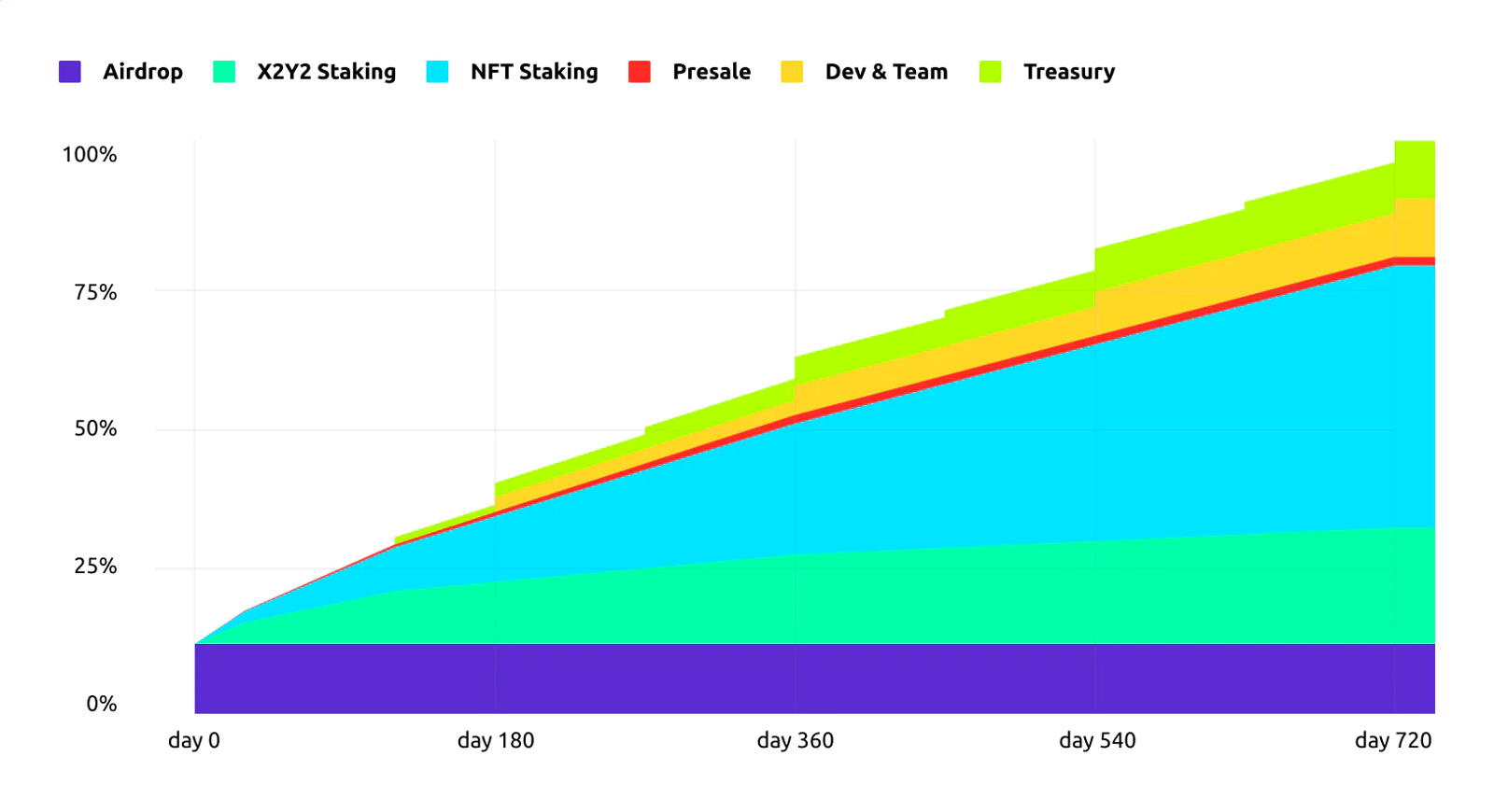
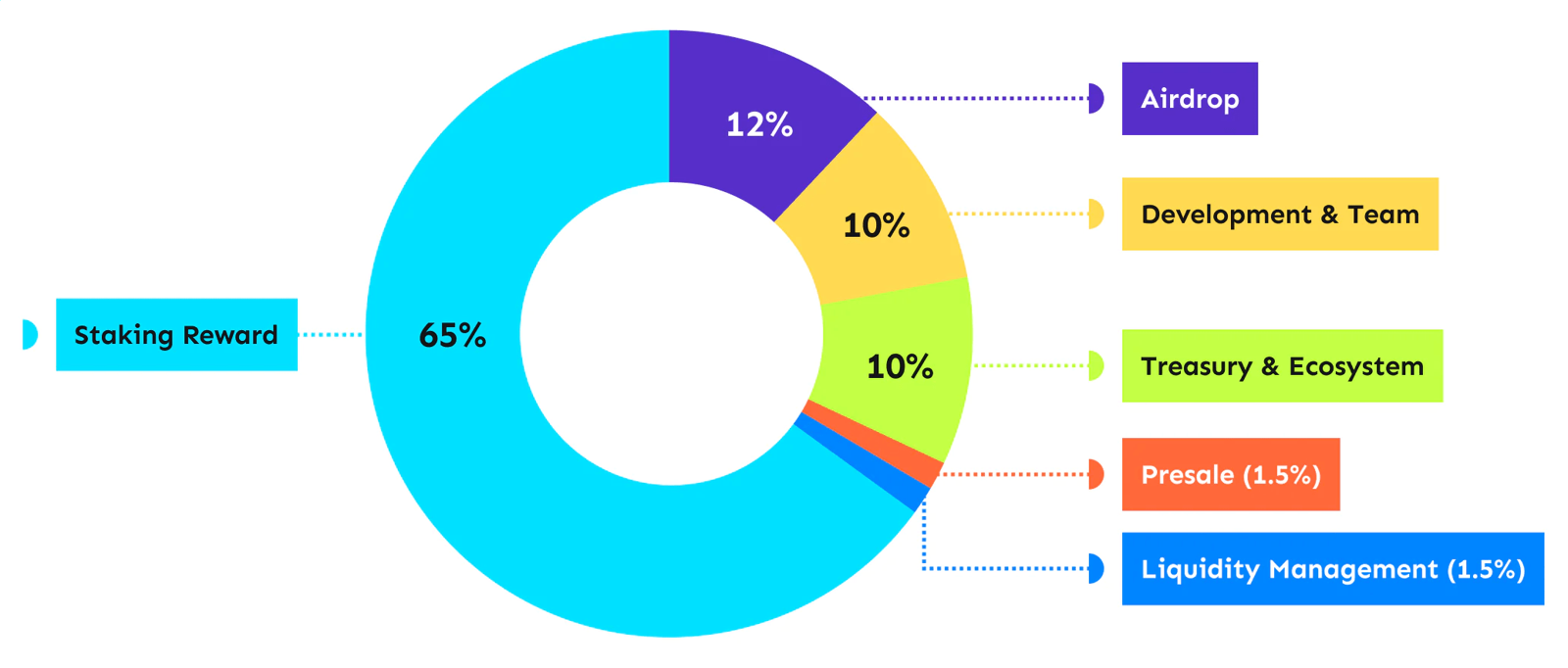
- Token incentives that connected marketplace activity to X2Y2 ownership.
- Smart contracts that stayed deployed after the interface stopped operating.
- Historical trade data that remained useful for tax, portfolio, and cost-basis review.
Risks that mattered most after the sunset
The biggest risk after shutdown was operational confusion. A user who treated X2Y2 as a normal active marketplace could misunderstand stale listings, old approvals, or unsupported workflows. The safer approach was to treat post-shutdown contract activity as an advanced wallet action and avoid signing transactions whose function and asset movement were unclear.
Token risk was separate. The X2Y2 token had been linked to a marketplace that no longer operated as before, so its value depended on market expectations around the team's next direction rather than the old NFT trading engine. X2y2 fees, in that later phase, became less about shopping for a bargain and more about understanding legacy costs.
Where AI yield plans fit into the next chapter
The team framed the NFT marketplace closure as a pivot rather than a pause. It said the next direction focused on AI and permissionless yields in crypto, using lessons from the marketplace era to pursue longer-term value. That plan belonged to the broader X2Y2 project, but it did not restore the old NFT marketplace fee model.
For someone researching X2y2 fees today, the key takeaway is direct: the marketplace shut down, Ethereum gas remained relevant for contract interaction, and the X2Y2 token carried its own market risk after the NFT chapter ended. The topic is best understood as a legacy NFT marketplace cost breakdown, not a current menu for live trading.
Questions people ask about X2y2 fees
Did X2Y2 charge gas fees itself?
No. Gas was paid to Ethereum validators whenever a wallet sent an onchain transaction. X2Y2 could shape marketplace-level costs through its trading model, but gas came from Ethereum blockspace demand. A buyer or seller paid gas in ETH for actions such as approvals, purchases, cancellations, and contract interactions, whether the marketplace interface was active or the user interacted with contracts directly.
Can old X2Y2 approvals still create wallet risk?
Old approvals deserved attention because they granted contract permissions from a wallet. The marketplace shutdown did not automatically remove every approval a user had signed during active trading. Reviewing allowances and revoking unnecessary permissions reduced exposure from stale approvals, especially for wallets that traded high-value NFTs or used several marketplaces during the same period.
Which costs mattered most when checking an old X2Y2 NFT purchase?
The main items were the NFT sale price, Ethereum gas, any marketplace charge reflected in the settlement path, and any royalty or creator-payment component visible in the transaction. The cleanest review started from the transaction hash because wallet history and block explorer logs separated asset transfers, ETH movement, token movement, and gas paid for execution.
Does the X2Y2 token still affect marketplace fee calculations?
For the old marketplace period, the token affected the broader economics of rewards, incentives, and user exposure. After the NFT marketplace shutdown, token price became a separate market-cost issue rather than a live checkout discount calculation. Someone holding X2Y2 after the closure faced token volatility tied to expectations about the project's new direction.
When did X2Y2 stop being a live NFT marketplace?
The shutdown date was April 30, 2025. The team announced the decision on March 31, 2025, describing the closure as a full stop for the NFT marketplace rather than a temporary pause. The smart contracts remained deployed on Ethereum, so the end of the public marketplace experience did not erase historical transactions or contract records.
Are failed X2Y2 transactions included in total costs?
A failed Ethereum transaction still consumed gas because validators processed the attempted execution. It did not complete the intended NFT purchase or order action, but the wallet still paid the network fee. When calculating total spending around X2Y2 activity, failed transactions should be counted as gas costs and kept separate from completed sale prices.