X2y2 rewards is a closed NFT-marketplace incentive model now tied to X2Y2's token legacy and AI-yield pivot
NFT marketplace incentive model tied to X2Y2 token rewards, with smart contracts still available after shutdown.
X2y2 rewards is a past incentive system from the X2Y2 NFT marketplace, where token-based rewards were linked to trading, staking, and fee activity around the X2Y2 token. The marketplace was sunset on April 30, 2025, so users now read this topic through two lenses: what the old reward design meant for NFT traders and token holders, and how the team framed its next chapter around permissionless, AI-powered yield.
The important distinction is timing. X2Y2 once competed directly in Ethereum NFT trading, reached major volume during the NFT boom, and used incentives to attract liquidity, listings, and active users. That chapter ended when the marketplace shut down. The smart contracts were described as remaining available, which matters for on-chain interaction history, but the marketplace reward engine belongs to the earlier operating model rather than a live consumer marketplace.
The reward story began with NFT liquidity, not passive income
X2y2 rewards grew out of a marketplace problem: NFT platforms need enough buyers, sellers, listings, and bids in one place for trades to clear efficiently. Token incentives gave early users a reason to bring activity to X2Y2 instead of routing every trade through OpenSea or other NFT venues. In that setting, rewards were part of the marketplace's growth loop, not a standalone savings product.
The X2Y2 token sat at the center of that design. Traders cared about claimable emissions, holders watched fee-sharing and staking mechanics, and NFT users compared net outcomes after royalties, gas, platform fees , and token value. When NFT volumes were strong, incentives helped amplify marketplace activity. When sector volume contracted sharply from the 2021 peak, the same model had less room to produce durable value.
How trading activity, fees, and the X2Y2 token fit together
The former marketplace rewarded behavior that strengthened its order book and trading flow. Listing NFTs, buying collections, and adding market activity all mattered because the platform's value came from network effects. A marketplace with deep inventory and active bidders gains relevance; a marketplace with thin liquidity loses attention quickly. That is why X2y2 rewards should be understood as a market-share strategy as much as a token feature.
Fees shaped user perception. A trader did not judge an NFT sale only by the gross sale price. Gas costs on Ethereum, marketplace fees, creator royalties, slippage in floor prices, and the market price of X2Y2 all influenced the realized result. Rewards softened the cost of participation during active periods, but token volatility also made the final value uncertain after the trade settled.
What changed after the April 2025 marketplace sunset
The shutdown date created a hard boundary. X2Y2 announced that the NFT marketplace would close completely on April 30, 2025, while the smart contracts would continue running. That means the old website experience and marketplace growth campaign ended, while on-chain contracts remained part of Ethereum history. X2y2 rewards therefore no longer describe a live marketplace program that new NFT traders join in the normal way.
This matters for anyone researching old balances, token history, staking expectations, or contract interactions. The relevant records live on-chain, and the economic context comes from the original token design plus the final sunset announcement. Treat any new claim page, surprise airdrop message, or urgent wallet prompt around old rewards with caution, because the known marketplace program reached its full stop in 2025.

The AI-powered yield pivot changed the meaning of future rewards
After closing the NFT chapter, the team described a pivot toward permissionless yields powered by AI. That framing moved the reward conversation away from NFT trading incentives and toward crypto yield infrastructure. The public description pointed to a broader system designed for long-term value across market cycles, but it did not turn the old NFT incentive model into an active yield product by itself.
For readers, this is the clean way to separate the two eras. X2y2 rewards referred to the NFT marketplace's token incentives and staking-era economics. The next project direction was presented as an AI and yield initiative from the same team, not a simple continuation of the old NFT marketplace dashboard. Any future program needs to be evaluated on its own mechanics, contracts, risk model, and token relationship.
Where a former user checks their own position
A former X2Y2 user starts with wallet records, not marketing claims. The useful evidence is transaction history: trades, listings, claims, staking actions, approvals, and token transfers. Because the smart contracts remain on-chain, a wallet's past interactions can be reviewed with normal Ethereum block explorer tooling and portfolio trackers that read token balances and contract calls.
Several items are worth separating when reconstructing activity:
- Marketplace trades that bought or sold NFTs through X2Y2 contracts.
- Claim transactions connected to token reward distributions.
- Staking, unstaking, or fee-claim events involving X2Y2.
- Token transfers to exchanges, wallets, or liquidity pools.
- Open approvals that still grant spending rights to older contracts.
That review helps a user understand what actually happened without assuming that every old interface, screenshot, or community post reflects the final state. It also keeps the focus on verifiable wallet activity rather than vague reward expectations.
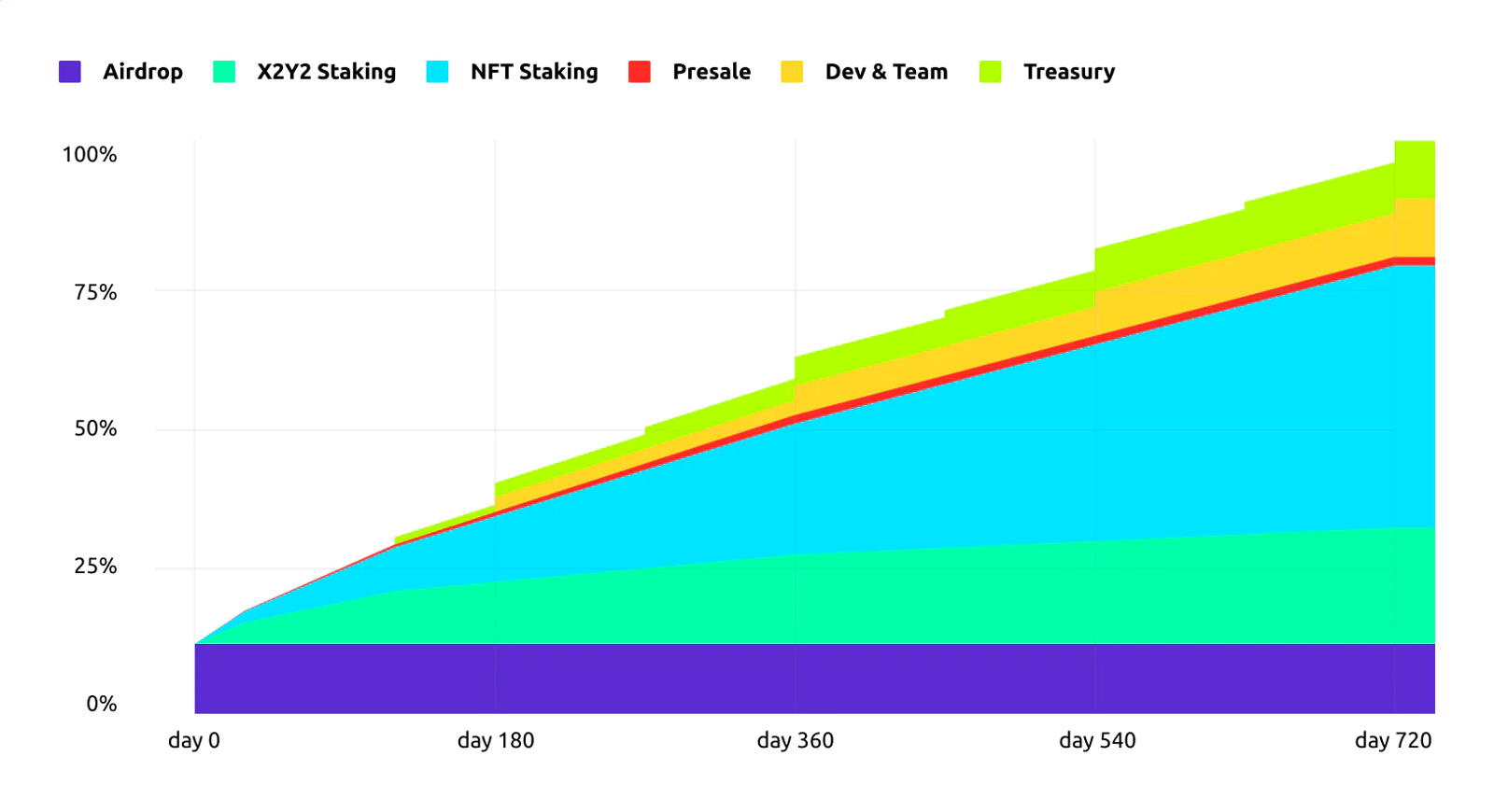
Benefits the old incentive model delivered during its active period
During the marketplace's strongest phase, X2y2 rewards gave traders a reason to route activity through a venue that was challenging larger incumbents. Token incentives brought attention, encouraged listings, and gave active users exposure to the upside of marketplace adoption. In a highly competitive NFT market, that was a direct and understandable strategy.
The model also made marketplace economics more visible. Users looked beyond a single NFT purchase and paid attention to fees, staking yield, platform volume, and token demand. That broader view helped many traders understand how NFT marketplaces compete: not just with interface design, but with liquidity, incentives, royalties policy, collection coverage, and settlement reliability on Ethereum.
Risks that mattered for reward farmers and NFT traders
The main risk was that rewards were paid in a volatile token connected to a sector with severe volume swings. When NFT trading cooled, marketplace revenue and token sentiment both came under pressure. X2Y2's own sunset note pointed to the large decline in NFT volume from the 2021 peak, and that contraction explains why a once-strong incentive design lost momentum.
Reward farming also created behavioral risk. Some users chased emissions by increasing trade count, accepting poor execution, or paying gas that overwhelmed the value they expected to receive. With NFTs, the cost side is especially sharp because each collection has its own floor, spread, royalty setting, and liquidity profile. The token reward could improve a trade, but it did not erase bad pricing or thin demand.
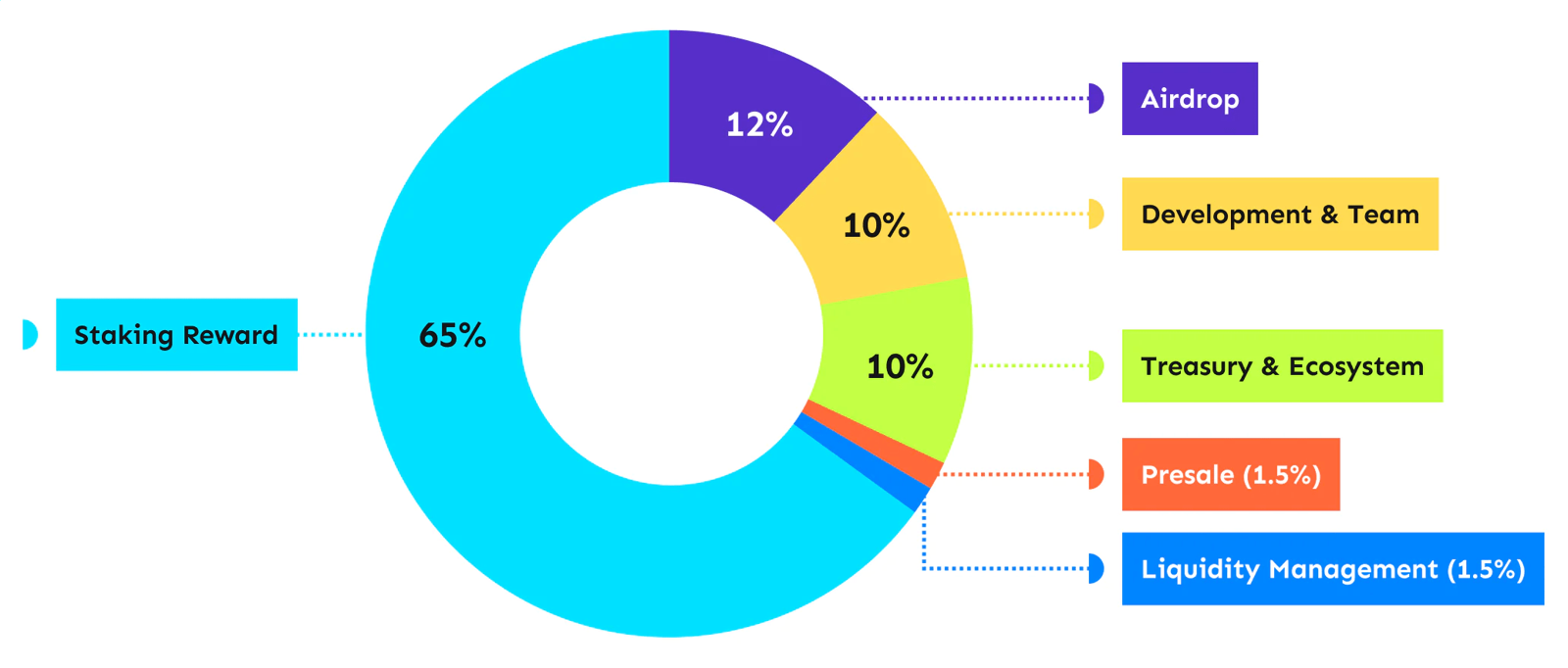
X2Y2 beside OpenSea, Blur, and LooksRare
Typically, X2Y2's reward history is easiest to understand next to the marketplaces it competed with. OpenSea became the default NFT marketplace through broad collection coverage and brand recognition. Blur pushed hard into pro-trader tooling and incentive seasons. LooksRare also used token rewards and fee-sharing ideas to compete for NFT volume. X2y2 rewards belonged to that same competitive era, where token incentives were used to pull activity away from the dominant venue.
The difference now is status. OpenSea and Blur remained known as active marketplace brands after X2Y2 announced its shutdown. LooksRare kept its own token-incentive identity. X2Y2 closed the marketplace chapter and pointed toward AI-powered yield, so comparisons should focus on historical NFT marketplace design rather than a current feature race.
Getting oriented before touching old contracts
Anyone revisiting X2Y2 should decide what they are trying to solve before connecting a wallet anywhere. A tax review, a token-balance check, an approval cleanup, and an old staking audit are different tasks. Each one uses different data, and none requires treating a random reward prompt as authoritative.
Use the wallet address as the source of truth. Review token balances, inspect past contract calls, and revoke approvals that no longer serve a purpose. X2y2 rewards are best researched as part of a completed marketplace era with lasting on-chain traces, while the team's later AI-yield direction remains a separate development path with its own future economics.
Frequently asked questions about X2y2 rewards
Can old X2Y2 token rewards still affect my wallet today?
Old token rewards affect a wallet only through assets, approvals, staking records, or claim transactions that already exist on-chain. If X2Y2 tokens remain in the wallet, their value follows the market for that token. If older approvals are still active, they are worth reviewing because approvals persist until revoked or replaced. The closed marketplace does not create a new automatic reward stream.
Which chain held the original X2Y2 marketplace reward activity?
The original X2Y2 marketplace operated around Ethereum NFT trading, so the most relevant wallet history is Ethereum activity. Trades, token transfers, staking actions, and approvals tied to the marketplace era appear as Ethereum transactions. Users who moved tokens through exchanges or other DeFi venues should also review those separate transaction paths, because marketplace rewards and later token movements are different records.
Does the April 2025 shutdown remove X2Y2 tokens from a wallet?
The marketplace shutdown did not remove tokens from user wallets. Tokens remain controlled by the wallet that holds them unless the owner transfers, swaps, stakes, or otherwise interacts with a contract. The shutdown changed the marketplace product status, not private wallet custody. Any balance shown by a wallet or block explorer reflects token holdings at that address.
Are gas fees part of calculating whether past rewards were worth it?
Gas fees are essential when judging past reward farming. A user paid Ethereum network fees for trades, claims, approvals, staking, and unstaking. The final result depends on the NFT sale or purchase price, marketplace costs, royalty settings, gas paid, and the realized value of X2Y2 tokens when sold or held. Ignoring gas makes the reward outcome look cleaner than it was.
Recovering access if the old marketplace interface is gone
Access depends on wallet control and on-chain records, not the old interface alone. A user who still controls the original wallet can inspect balances and transactions through wallets, portfolio tools, and Ethereum explorers. If a seed phrase or hardware wallet access is lost, the public transaction history remains visible, but moving tokens or changing approvals requires the private keys for that address.
Should NFT traders compare old X2Y2 incentives with Blur rewards?
The comparison is useful for understanding strategy, but the programs are not interchangeable. X2Y2 used token incentives during its marketplace growth phase, while Blur became known for pro-trader features and season-based reward campaigns. The most relevant difference is that X2Y2 sunset its NFT marketplace in 2025, so its reward history is mainly retrospective rather than a current trading decision.